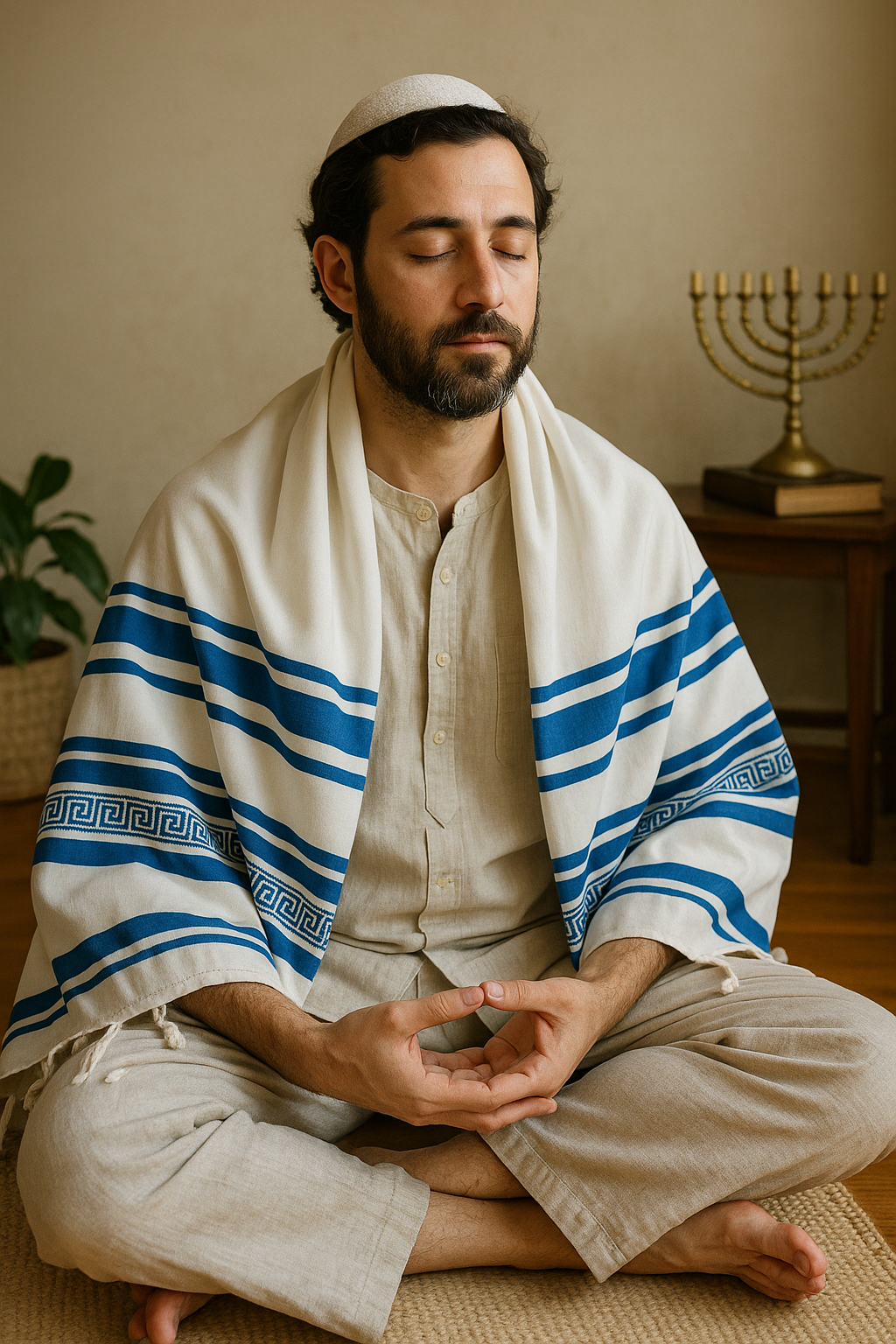
Jewish views on meditation have evolved over time, with various interpretations and practices linked to spiritual and mystical traditions. While meditation is not a central or mainstream practice in Jewish religious life, there are several ways it has been incorporated, particularly in Kabbalistic and Hasidic traditions. Here’s an overview of how meditation has been viewed and practiced within Judaism:
1. Early Jewish Mysticism (Kabbalah)
In the Jewish mystical tradition, particularly in Kabbalah, meditation has been an important tool for spiritual elevation and communion with God. Kabbalists saw meditation as a way to deepen one’s relationship with the divine and to contemplate the mysteries of the universe. The most famous example of this type of meditation is the hitbodedut practice, which was emphasized in Hasidic Judaism and later became central in some forms of Jewish spiritual life.
Hitbodedut (Solitude and Personal Prayer):
- This is a form of spontaneous prayer or meditation, often practiced in solitude. The term hitbodedut is derived from the Hebrew root “b-d-d,” which means to separate or isolate oneself. This form of prayer is deeply personal and is sometimes referred to as “talking to God,” where individuals pour out their thoughts, desires, and struggles directly to God in a conversational style, often in a quiet, secluded space.
- Hitbodedut was particularly popularized by Rabbi Nachman of Breslov, a key figure in the Hasidic movement, who taught that this personal, emotional expression of prayer could bring a person closer to God and purify the soul.
Kabbalistic Meditation:
- Kabbalists used meditation as a tool to understand and internalize the Sefirot (the ten attributes or emanations through which God interacts with the world), and to contemplate the divine mysteries expressed in texts like the Zohar. The Sefirot form the basis of the Kabbalistic understanding of the divine structure of the universe, and meditation on them was believed to align one’s soul with divine energies.
- Meditation also focused on visualizing and contemplating the sacred names of God (Hashem), the Hebrew alphabet, and other mystical symbols, which were thought to have power to affect spiritual reality.
2. Hasidic Tradition
Hasidism, a mystical movement within Judaism that emerged in the 18th century, placed a strong emphasis on personal prayer and meditation. Hasidic teachings often integrate meditation with an emphasis on joy, simplicity, and direct experience of God.
Meditation as a Path to Devekut (Clinging to God):
- In Hasidic teachings, meditation is sometimes understood as a means to achieve devekut, a term that refers to cleaving to or being spiritually attached to God. This can be done through meditation on the meaning of the prayers, deep concentration during prayer, or through a meditative awareness of God’s presence in everyday life.
- The idea of devekut is central to the teachings of Rabbi Israel Baal Shem Tov, the founder of Hasidism, who emphasized the experiential and emotional aspects of spirituality, including deep, personal prayer and meditation as a means of connecting with the divine.
3. Rabbinic Judaism (Talmudic and Early Rabbinic Views)
In earlier periods of Jewish history, particularly during the Talmudic era, there was not a significant focus on meditation as a formal spiritual practice, although there were contemplative aspects within prayer and Torah study.
- The Talmud and other rabbinic texts mention certain types of meditative practices, such as focusing one’s thoughts during prayer (kavanah), but these were often more about deep concentration and proper intention rather than meditation as we understand it today.
- In some texts, the rabbis discuss the importance of quiet reflection and being mindful of God’s presence in one’s life, but these practices were more about cultivating an attitude of mindfulness and attentiveness rather than specific meditative techniques.
4. Meditation in Modern Jewish Thought
In the 20th and 21st centuries, meditation has seen a resurgence in Jewish spiritual life, particularly in connection with the broader interest in mindfulness and contemplative practices. Many Jews today draw upon both traditional Jewish sources and modern psychological or meditative methods from other religious traditions, such as Buddhism.
Jewish Mindfulness Meditation:
- Some contemporary Jewish groups have developed forms of meditation based on mindfulness techniques that focus on awareness of the present moment, breathing, and connecting with the divine presence. These forms of meditation are often inspired by the contemplative practices of the Baal Shem Tov and Hasidic tradition, as well as mindfulness practices in other spiritual traditions.
- In this context, meditation might involve chanting or reciting Hebrew prayers or blessings (such as the Shema or the Kaddish) as a means of connecting with God. These practices can be a way to cultivate a sense of peace, stillness, and connection to one’s spiritual self.
5. Criticism and Caution
Traditional Jewish views have often been cautious or even critical of forms of meditation that are perceived as “foreign” or incompatible with Jewish belief. For instance, certain forms of Eastern meditation (such as transcendental meditation) were historically viewed with suspicion by some Jewish religious authorities because of concerns over their non-Jewish origins or potential conflicts with Jewish theology and practice.
However, more recently, many Jewish thinkers and leaders have found ways to incorporate meditation into Jewish life while maintaining fidelity to Jewish teachings, recognizing that meditation can be a tool for spiritual growth, inner peace, and connecting with the divine.
Conclusion
Meditation within Judaism has historically been seen through the lens of mystical traditions, such as Kabbalah and Hasidism, where it plays a role in personal spiritual growth, emotional expression, and deepening one’s connection with God. While not central to mainstream Jewish practice, meditation has become increasingly embraced in modern times, particularly through Jewish mindfulness practices and adaptations of traditional contemplative methods.